

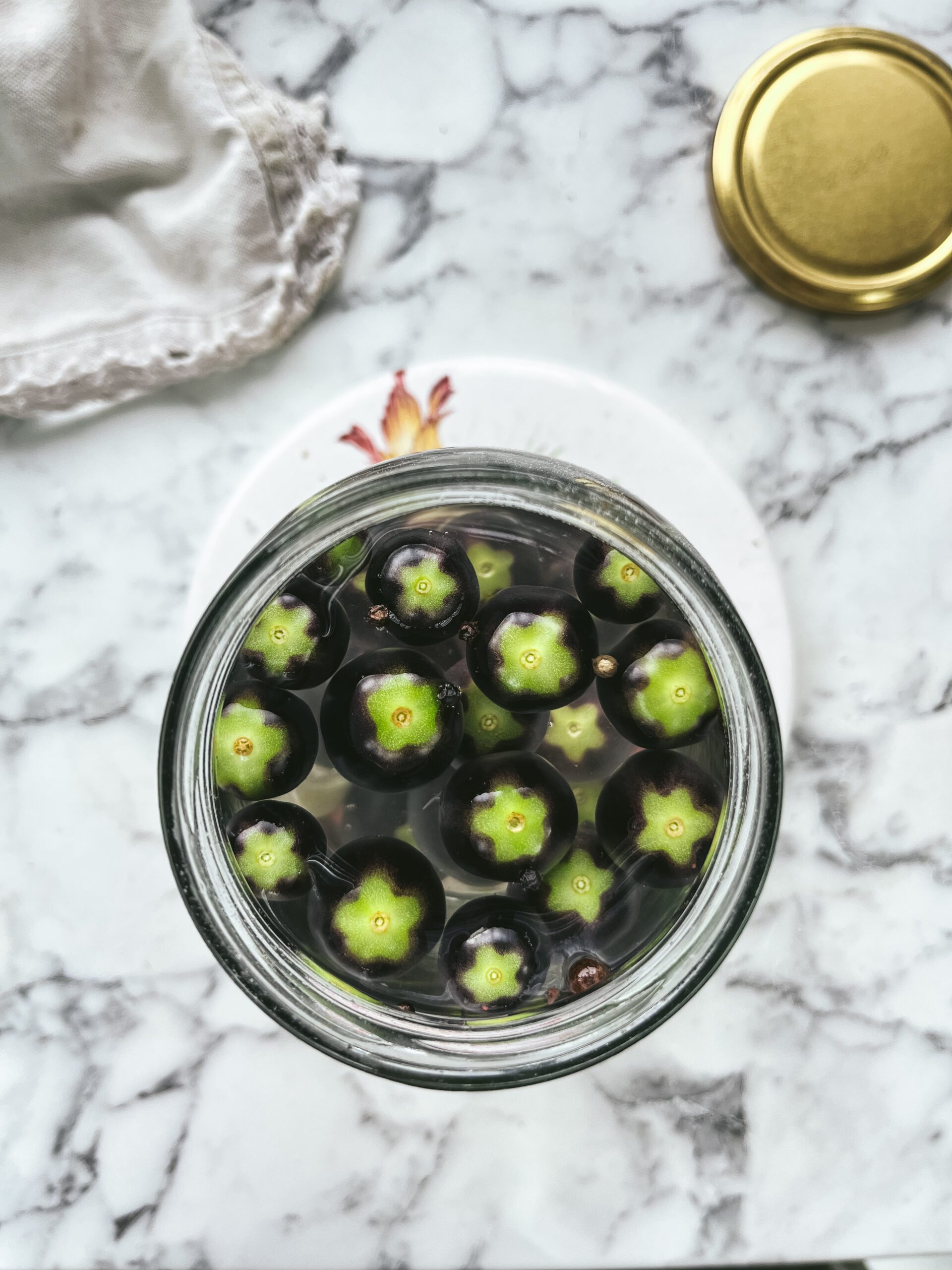
01 Sep Fermented black tomatoes in the midst of a beautiful mess
A return to chaos
On returning to my vegetable patch after a three week absence, I was both shocked and in awe of how wild it had become. Untied black tomatoes had started using the red currant bush as support, other tomatoes using them in turn. The nasturtiums had taken over, their red, yellow and orange heads popping out of the bright green foliage that was all over the patch. Some of the radishes had run to seed, while others were ready to be picked and even had little bites taken out of them. The squash and corn on the cob were looking a bit past it with lots of dry leaves. Upon closer inspection, there was a lot of dandelions too. My vegetable patch has become a beautiful mess.

The pressure of a perfect patch
I had no idea how to approach my vegetable patch in this state. On one hand, I want to sort it out, on the other, I feel like my garden is a reflection of how I am feeling. Like many women my age, I have often felt the pressure to be conform, to not get angry, to be well turned out and in control of my life. My entire adult life has been about saying “no” to that. It’s been about learning to accept many messy feelings, about embracing imperfection and understanding that anger can be appropriate. Whilst I continue to push back on the pressure that women face, the question arises: why should my vegetable patch look all perfect? And why does it being messy still make me feel a little uncomfortable?
A messy meditation
I decided to leave it alone and accepted all the complicated feelings it was bringing up in me. Slowly, the path revealed itself. First, we harvested the remainder of the corn-on-the-cob and ate it for lunch Then, we had guests, so I made some squash pasta sauce. Some of the plants could be composted now, yet I don’t feel quite ready to do it, so I left them. My daughter then picked off some hard, black tomatoes. It turns out her dad had done the same (it’s difficult to tell if they’re ripe or not), so we had 2 vines. I could have left them in the fruit bowl in the hope that they’ll ripen, of course, but I decided to be pro-active and ferment them instead. This is fermenting season after all and I enjoy the process and the result. In the next few days, I plan to do something with the nasturtiums too. In the meantime, I will go and look at my messy patch every day and meditate upon it’s beautiful imperfections. As without, so within.
A recipe for fermented black tomatoes
Fermented black tomatoes
Difficulty: EasyAny small tomato variety can be used for this ferment.
Ingredients
Half a jar of slightly under-ripe, small tomatoes
3 garlic cloves, halved
1 tablespoon good quality salt
4 allspice (pimento) berries
4 peppercorns
Aprox. 500ml warm water from a pre-boiled kettle
Directions
- Place the tomatoes, garlic, allspice and peppercorns in a sterilised jar.
- When the water is still warm, mix it with the salt. Leave to cool a while longer. When it’s tepid, pour it over the tomatoes.
- Place a lid loosely on top and leave at room temperature for 24 hours. Then, use a clean weight to press down any tomatoes that are still at the top.
- Leave for a further 3 days, then taste and see if you want to leave them any longer or screw the lid on and place in the fridge. Eat within a couple of weeks.